
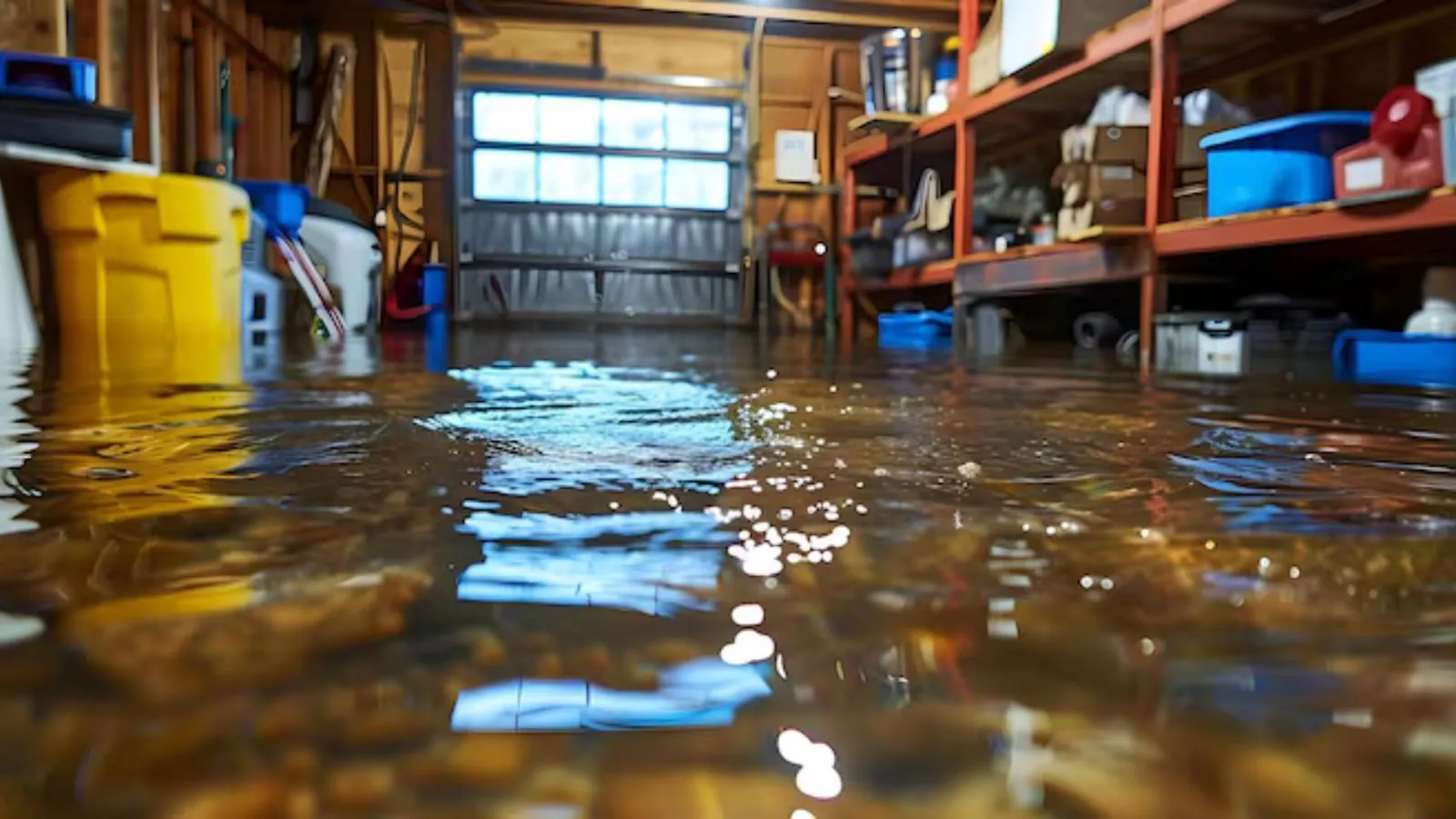
Emergency flood damage cleanup in Chelsea starts with safety, because floodwater from groundwater, creek overflow or surface runoff is treated as contaminated. Dispatch answers 24/7 at (659) 250-1979. Keep people and pets out of the water, avoid anything electrical and photograph the damage from a dry spot before you do anything else.
This page covers rising water entering a building. Rain that came through a roof or wall is storm water damage, a wet lower level from seepage or a failed pump is basement water damage, and water from a drain line is sewage backup cleanup.
When floodwater is an emergency
Every flood is an emergency, because floodwater picks up soil, fuel, bacteria and debris on the way in. Under ANSI/IICRC S500, that puts it in Category 3 or at best Category 2, the contaminated end of the scale. Porous materials such as carpet, pad and insulation that soaked in it are usually discarded rather than dried.
Floodwater also moves slowly and returns. A building can look clear after the water drops and still hold mud in wall cavities, wet subfloor and damp insulation that will grow mold if left.
Safety: Before you touch anything
Turn off the main power only from a dry panel. If water has reached outlets or the panel, call the utility or 911 first. Wear boots, waterproof gloves and eye protection if you must enter. Do not use household fans, wet vacuums or electronics in a flooded space.
How flood cleanup is done
- Make it safe. Confirm power and gas are off and that the structure can be entered.
- Extract the water. Pumps and extraction units remove standing water, then mud and debris are cleared.
- Remove what cannot be saved. Carpet, pad, insulation and soft drywall that soaked in floodwater are cut out and discarded.
- Clean and sanitize. Hard surfaces and framing are cleaned and treated with antimicrobial products.
- Dry and monitor. Air movers and dehumidifiers dry the structure with moisture readings confirming progress.
- Rebuild. Drywall, insulation, flooring and finishes are replaced once the structure is dry.
| Source of floodwater | Typical category | What changes in cleanup |
|---|---|---|
| Surface runoff or creek overflow | Category 3 | Mud removal, full sanitizing, discard porous materials |
| Rising groundwater | Category 2 or 3 | Seepage through slab and walls, long drying times |
| Overflowing storm drain | Category 3 | Possible sewage mix, protective gear required |
| Clear water from a roof or pipe | Category 1 | Not a flood: see storm or pipe pages |
Chelsea flood exposure and how to check yours
Chelsea sits in Shelby County, with parts of the city on or below the ridge of Double Oak Mountain. Slopes move runoff fast, and low-lying lots at the foot of a hill can collect it. Flood exposure is address-specific, so use the FEMA Flood Map Service Center to look up your property, and ask the city building department about drainage rules before you repair or rebuild.
Check the map before storm season rather than after. The same address can sit inside a mapped flood zone, just outside it or in an area where the map has been revised, and that affects both insurance and permits.
Floodwater in the house? Get safe first, then call.
☎ Call (659) 250-1979Flood insurance and what to document
The Alabama Department of Insurance says flooding is not typically covered by standard homeowners or renters policies. Flood coverage is sold separately through the National Flood Insurance Program, with limits of up to $250,000 for a home and $100,000 for contents, and a 30-day waiting period unless it is bought with a newly purchased home.
If you have flood coverage, photograph the waterline on every wall, list damaged items, keep receipts for temporary repairs and contact your insurer promptly. If you do not, ask your insurer or an agent what is available, and shop around, as the Department advises.
What shapes the price of flood cleanup
- Depth and duration. Deeper water that stood longer reaches more materials.
- Contamination. Category 3 work requires protective gear, sanitizing and disposal.
- Materials discarded. Carpet, pad, insulation and drywall that cannot be saved add demolition scope.
- Drying days. Heavily saturated structures need extended equipment time.
- Rebuild. Replacement of finishes is separate from cleanup.
Dispatch walks through these factors before work starts. For a realistic picture of your own flood, call (659) 250-1979.
Frequently asked questions
Yes, and floods rarely wait for business hours. Call (659) 250-1979, describe how deep the water is and say whether it touches outlets or the panel. Scope and price come before any work begins.
No. Floodwater is treated as contaminated and can hide electrical hazards, debris and sharp objects. Stay out until power is confirmed off and you have protective gear.
Usually not. The Alabama Department of Insurance says flooding is not typically covered by standard homeowners or renters policies and that flood coverage is sold separately. Check your policy.
Hard materials such as concrete, tile and framing can often be cleaned and dried. Carpet, pad, insulation and soft drywall that soaked in floodwater are usually discarded.
Use the FEMA Flood Map Service Center and enter your address. For drainage and permit rules, ask the Chelsea building department.
The EPA advises drying water-damaged areas within 24 to 48 hours to prevent mold growth, which is why fast extraction matters.
Water still on the move? Dispatch is open around the clock.
☎ Call (659) 250-1979